The Future of Verified Digital Health Records
Paper letters and screenshots are on their way out. Here's how verified digital health records are moving from the lab straight to your phone.
June 24, 2026

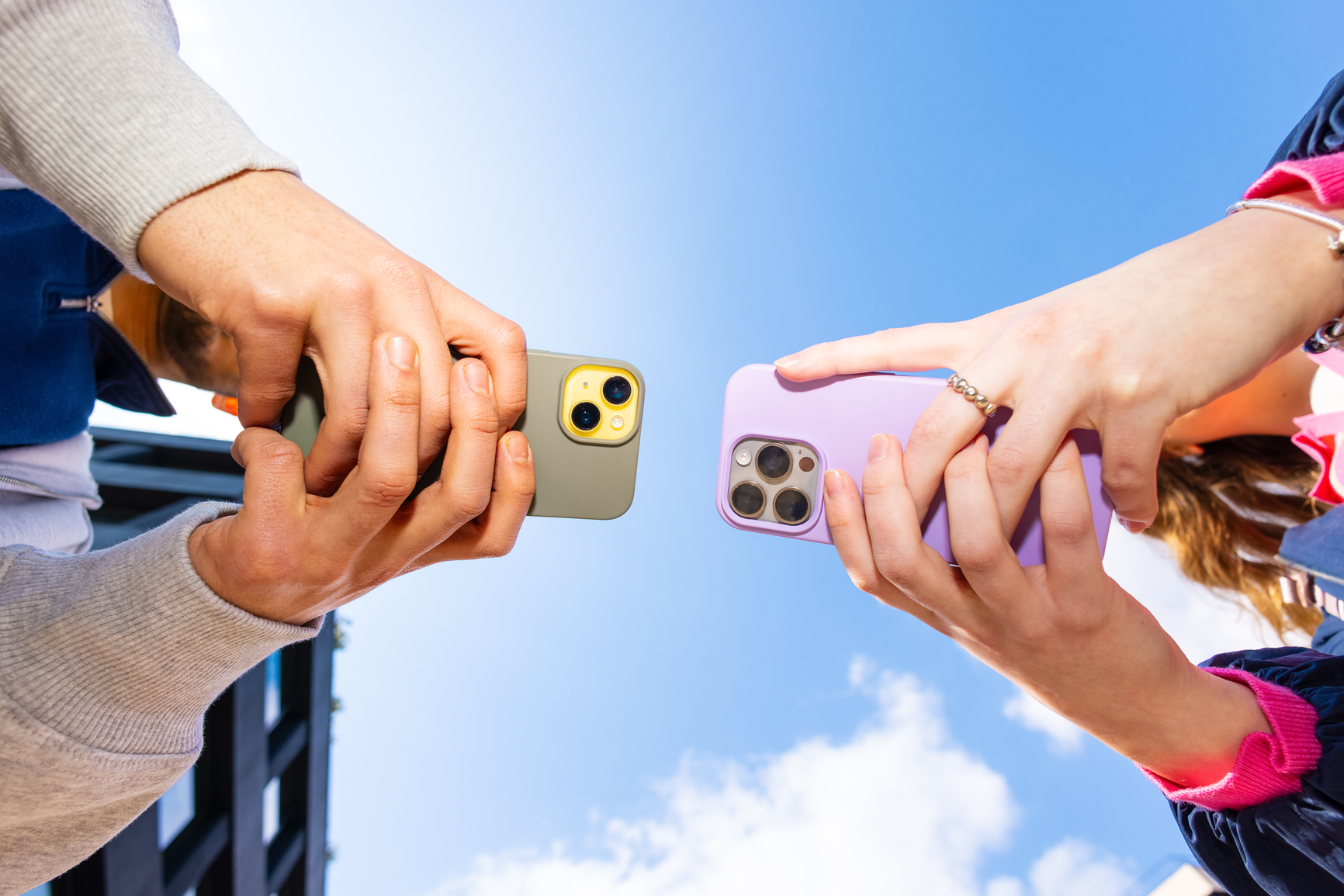
Think about how much of your life already lives on your phone — your boarding passes, your bank, your ID, your loyalty cards. Now think about your health records. For most of us, they're still scattered across paper letters, clinic portals you can't log into, and the occasional screenshot. That gap is closing fast. The future of health records is verified, digital, and in your pocket — and it changes far more than convenience.
The current system is surprisingly fragile. A paper letter can be lost, faded, or out of date within weeks. A screenshot can be edited, so even an honest one is easy to doubt. Clinic portals often trap your results behind logins that don't talk to each other. The result is that your own health information — some of the most important data you own — is hard to access, hard to trust, and hard to share when it actually matters. For something this personal, that's not good enough.
A digital health record is only as good as your ability to trust it — verification is what turns a screenshot into proof.
This is the heart of the shift. A verified digital record isn't just a photo of a result; it's a result that's cryptographically tied to the lab that issued it and the person it belongs to. That means whoever you share it with can be confident it's genuine, current, and really yours — without having to take your word for it. Verification is what separates a believable image from actual evidence, and it's the foundation everything else is built on.
The journey is becoming beautifully simple. A test is processed by an accredited lab, the result is verified and issued directly to you in digital form, and it lands securely on your phone — ready to view, store, and share whenever you choose. No chasing letters, no logging into a portal you've forgotten the password to, no wondering whether a result is still valid. It's the same frictionless experience we now expect from every other part of digital life, finally applied to health.
Perhaps the biggest change is one of ownership. In a verified digital model, your records belong to you — not to a filing cabinet, a single clinic, or a platform that locks you in. You decide who sees them, what they see, and for how long. That shift from "held about you" to "owned by you" is quietly revolutionary, putting people back in control of their own health story.
Of course, the more sensitive the data, the more privacy has to come first. Health records — especially sexual health records — demand the highest standard of protection: encrypted, access-controlled, and never shared or sold without your say-so. The best digital record systems are built privacy-first, so going digital makes your data safer, not more exposed. Convenience should never come at the cost of confidentiality.
This is exactly the model we built Zults around. Your sexual health results become a verified digital card — a "Rezults" — issued securely to your phone, owned by you, and shareable in a tap via a private link, a QR code, or in person. It takes one of the most sensitive types of health record and makes it private, portable, and genuinely trustworthy — proof you can share with confidence, not just a photo you hope someone believes.
We're moving from a world of paper, portals, and screenshots to one of verified records that live securely on your phone and belong to you. It means less friction, more trust, and real ownership over your own health information. Sexual health is leading the way precisely because it demands the most privacy and the most trust — and what works here points to where all health records are heading. The future is verified, digital, and in your hands.
Dive into the heart of innovation with our 'Coding Chronicles' blog section. Explore a rich tapestry of articles, tutorials, and insights that unravel.